Modern life in London, Ontario often leaves little room to slow down. Many people are turning to simple, effective practices that support both physical recovery and mental clarity. One of the most proven combinations is contrast therapy: rotating between a sauna and a cold plunge.
Below is a clear guide to what these therapies are, how they work together, and how to begin safely.
What a Sauna Provides
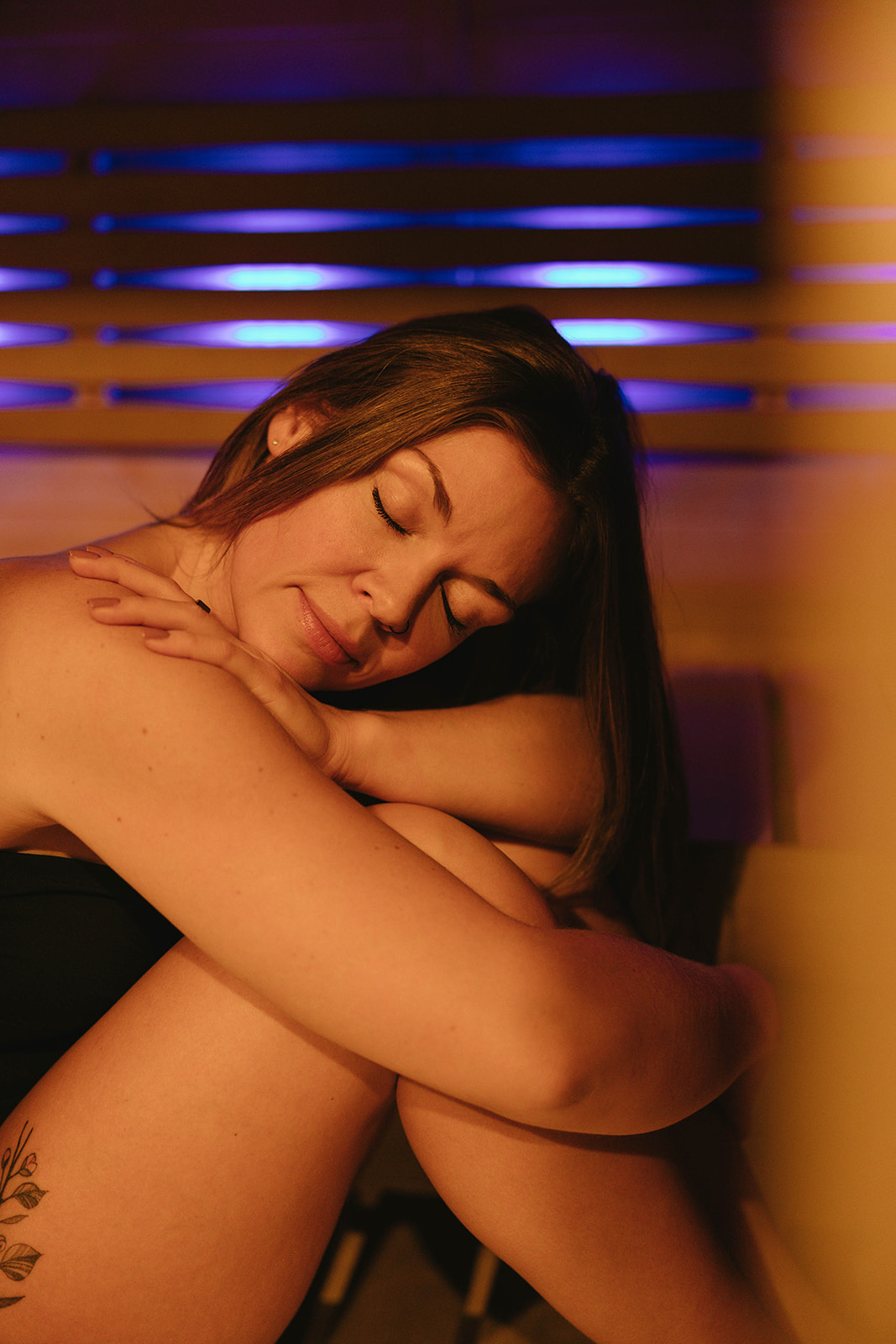
A traditional sauna is a heated wooden room designed to raise your body temperature and stimulate a deep, natural sweat. Whether dry by default or steamy by throwing water on the rocks, the environment encourages muscles to loosen, breathing to slow, and mental tension to drop.
The controlled heat widens blood vessels, increases circulation, and prompts a parasympathetic relaxation response, your body’s built-in “reset mode.”
What a Cold Plunge Does
A cold plunge is a tub of cool or cold water used for brief immersion. Entering after heating up in the sauna creates an immediate temperature contrast. The water triggers rapid, shallow breaths at first, but with slow, steady breathing, most people adjust within seconds.
Cold exposure narrows blood vessels, sharpens alertness, and gives your circulatory and nervous systems a precise, measurable stimulus. Most beginners stay in for seconds to one minute and extend gradually over time.
Why Heat and Cold Work Better Together
Alternating between sauna and cold plunge, i.e. contrast therapy, moves the body between two opposite states: vasodilation (heat) and vasoconstriction (cold). This shift challenges circulation, supports recovery, and leaves many people feeling calm yet alert once the session ends.
Common reported benefits include:
• Looser muscles and reduced post-exercise soreness
• Lower perceived stress
• Clearer mental focus
• Better sleep quality when sessions are done earlier in the day
• A greater sense of physical and emotional reset
Research into metabolic effects such as brown fat activation is ongoing, but these changes are generally modest. The real value is improved recovery, relaxation, and consistent wellbeing habits.
How to Get Started Safely
Contrast therapy is generally safe for healthy adults, but it places controlled stress on the cardiovascular system. Speak with a healthcare professional first if you have:
• Heart disease
• Unstable blood pressure
• Circulation disorders
• A history of stroke
• Pregnancy
• Recent major surgery
• Medications affecting heart rate or blood vessels
Once cleared, start with simple guidelines:
• Keep sauna sessions short at first; increase gradually.
• Enter the cold plunge slowly, breath steadily, and exit before you feel overwhelmed.
• Stay hydrated before and after (use electrolytes).
• Allow time to rest and fully warm up at the end.
• Stop immediately if you feel dizzy, confused, or unwell.
This content is for general information only and is not a substitute for medical advice.
A Simple Way to Reset
Sauna and cold plunge sessions are not intended to treat disease, but they offer a reliable way to pause, recover, and strengthen the routines that support long-term health.
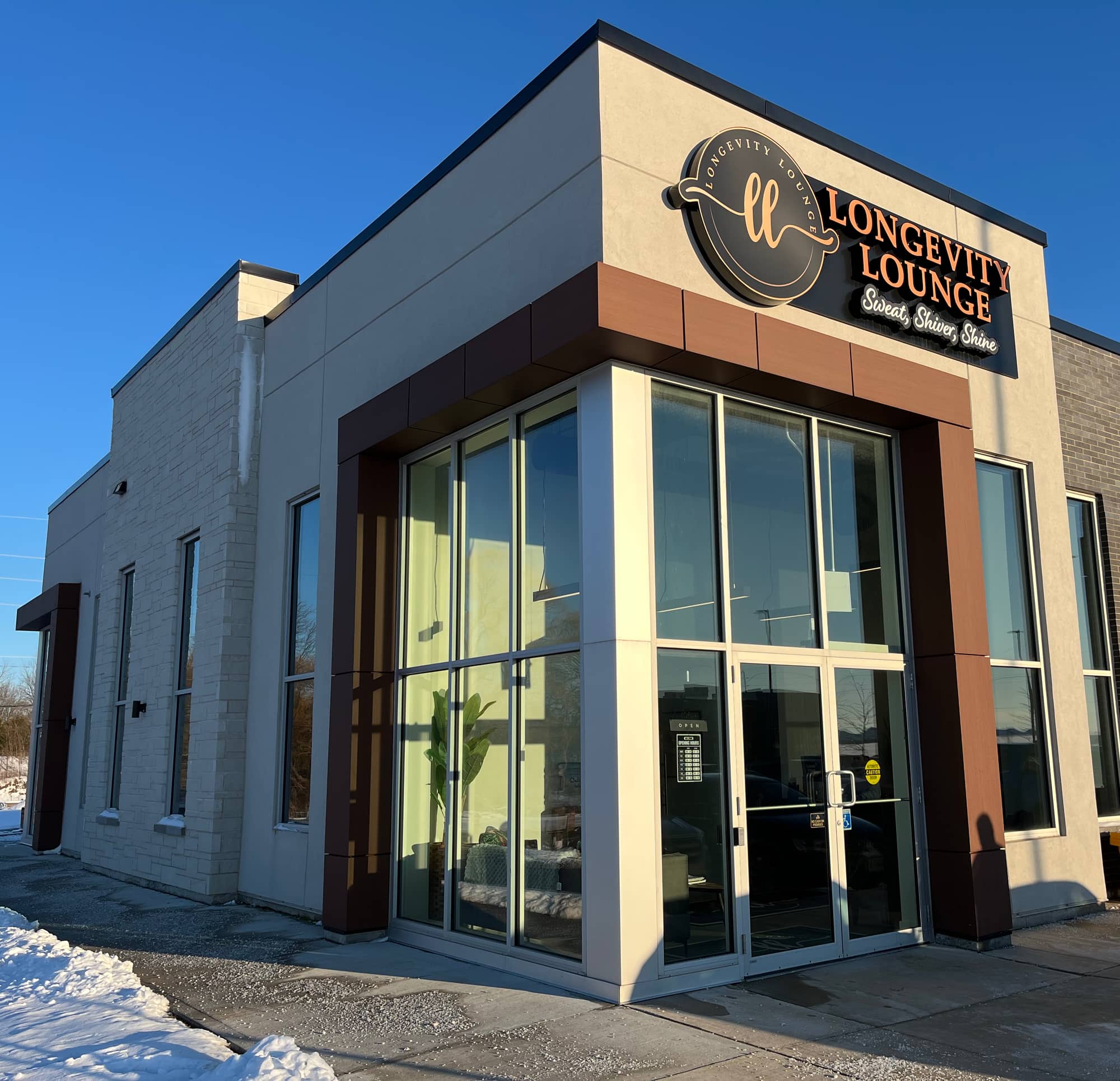
If you live in or near London, Ontario and want to try contrast therapy in a guided setting, Longevity Lounge offers traditional Finnish sauna and cold plunge experiences in a calm, well-maintained environment. Our team can walk you through the process, help you find the right pace, and show you how heat and cold can become part of your personal wellbeing routine.