Ice bath therapy, also known as cold water immersion, is a simple practice with a surprisingly powerful physiological effect. By briefly immersing the body in cold water, you trigger a controlled stress response that can support recovery, sharpen focus, and introduce a sense of calm resilience.
This guide explains what ice bath therapy involves, why it’s gaining attention, who it may be suitable for, and what to expect in a guided session in London, Ontario.
What Ice Bath Therapy Is
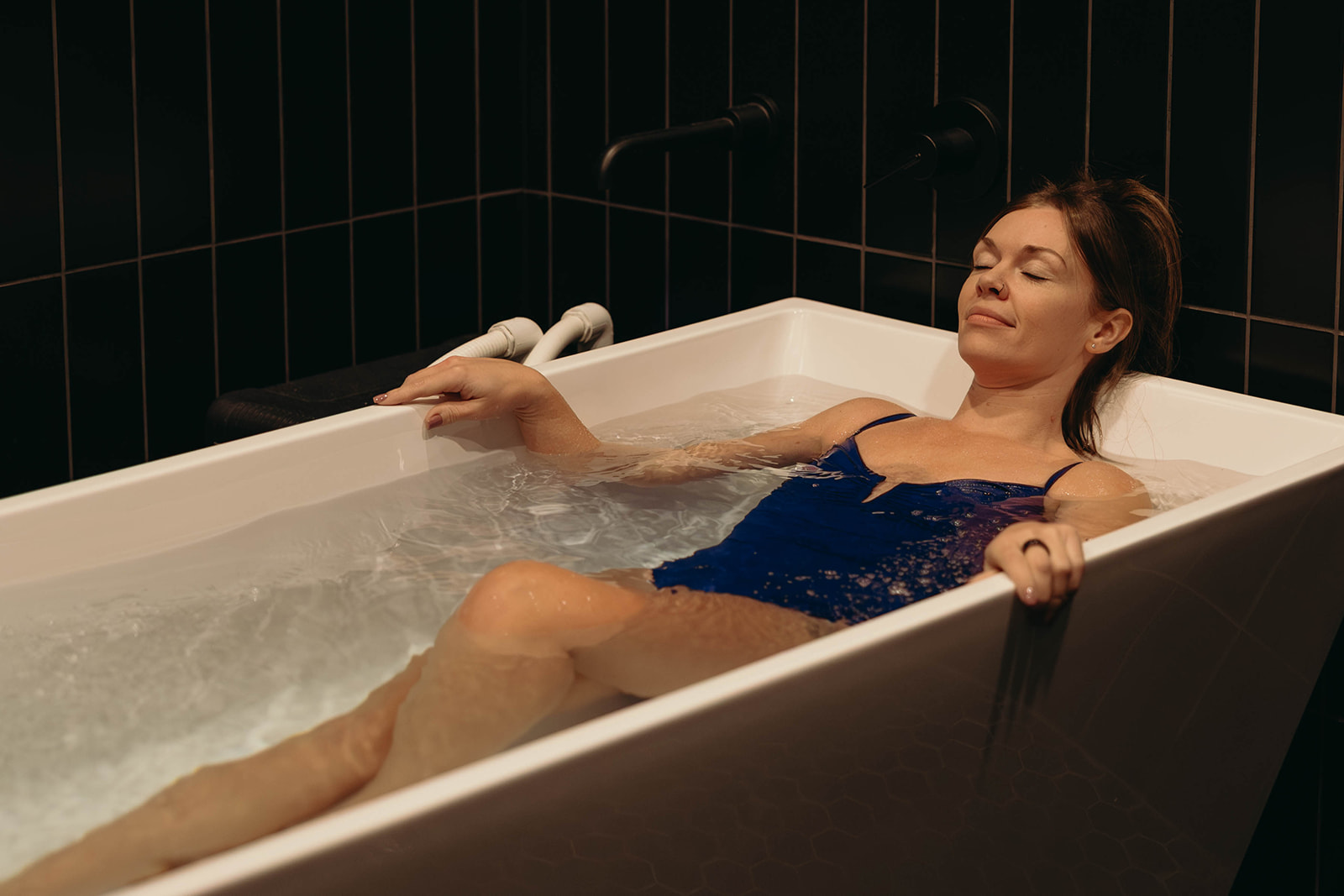
Ice bath therapy typically involves sitting in cold water between 10°C and 15°C for a short, structured period, often less than two minutes for beginners. The initial “cold shock” is a normal reaction: breathing speeds up, the heart rate rises, and the skin senses a sudden temperature drop. With steady, slow breathing, most people find the intensity becomes more manageable within moments.
People use ice baths for recovery after training, improved alertness, a reduction in perceived stress, and to build a greater sense of mental control over discomfort.
Why Ice Baths Are Growing in Popularity
The initial challenge is balanced by how people feel afterward. While research is still developing, several trends are consistently observed:
• Cold immersion may reduce perceived muscle soreness following intense exercise.
• Many people report increased wakefulness, mental clarity, and an improved sense of mood shortly after a session.
• Interest is increasing around how brief cold stress influences the nervous system and stress-related hormones.
Ice bath therapy is best understood as a supportive wellness tool, not a cure-all. It complements, rather than replaces, adequate sleep, balanced nutrition, and appropriate medical or mental health care.
How Ice Baths May Support Recovery and Mental Clarity
Common observations among people who practice cold immersion regularly include:
• Less post-exercise stiffness and soreness
• A calmer, more even mood after the session
• Improved focus for several hours
• A stronger sense of presence and breath control during the plunge
The practice naturally forces attention onto breathing and staying composed during discomfort. Over time, this can help train the nervous system to handle stress more effectively and return to balance more quickly.
There are limits: cold exposure does not treat chronic pain, depression, anxiety, or other medical conditions. It may, however, serve as a helpful adjunct to broader wellness habits.
Who Ice Bath Therapy May Be Right For
Ice baths can suit a wide range of people when approached safely:
• Athletes or active individuals seeking better recovery
• Those with demanding, high-stress routines
• Individuals interested in building resilience and mental discipline
Medical clearance is essential for certain groups. Speak with a healthcare professional first if you have:
• Heart disease or uncontrolled blood pressure
• Circulation disorders
• A history of stroke
• Pregnancy
• Recent major surgery
• Medications affecting heart rate or blood vessel response
Cold shock can pose real risks in these situations. Even for healthy individuals, gradual progression is the safest approach.
What to Expect During a Guided Ice Bath Session
A structured session in a controlled setting helps eliminate guesswork and reduces risk. While details vary by studio, a typical beginner experience looks like this:
- Orientation: The practitioner explains the temperature, duration, and safety cues. You change into comfortable clothing and prepare at your own pace.
- Breathing Instruction: Before entering the water, you learn a steady breathing pattern that helps manage the initial cold response.
- Slow Entry: Rather than rushing in, you lower yourself gradually. Beginners usually stay in for a short interval, often under two minutes, with the option to exit sooner.
- Post-Plunge Warm-Up: Afterward, you dry off, warm up, and take a moment to notice the shift in your body and mind before returning to your day.
This process encourages calm, control, and a mindful approach rather than a competitive or extreme one.
Safety: The Essentials
Cold immersion is a strong physical stimulus and should be treated with respect.
• Do not attempt extreme temperatures or long durations, especially early on.
• Avoid open-water plunging without supervision.
• Watch for signals that you’ve reached your limit: persistent numbness, intense shivering, chest pain, dizziness, or confusion. If any appear, end the session immediately.
• Allow plenty of time to warm up afterward.
This article provides general education, not medical advice. If you are unsure whether cold immersion is appropriate for you, speak with a qualified healthcare professional.
Tips for Your First Few Sessions
You can make early sessions smoother and more beneficial by approaching them intentionally:
• Set a clear time limit before entering the water.
• Focus on slow, controlled breathing instead of the clock.
• Give yourself space afterward to warm up and reflect.
• Pay attention to how your body feels later that day and the next morning.
Treat your first sessions as data gathering, not performance.
Exploring Ice Bath Therapy in London, Ontario
If you’re curious about trying ice bath therapy in a controlled environment, a professional studio can make the experience safer, calmer, and more effective. Clean facilities, clear guidance, and supportive instruction all matter, especially for beginners.
At Longevity Lounge, we offer guided cold immersion sessions in temperature-controlled tubs, with an emphasis on safety, comfort, and clarity. Our team helps you understand the process, pace yourself appropriately, and integrate cold exposure into a broader wellness routine if you choose to continue.
If you’re ready to explore how controlled cold can support your body and mind, we at Longevity Lounge are here to guide you through your first steps.