Have you ever jumped into a cold pool and felt that instant shock that wakes up your whole body? Now imagine doing that on purpose, in a controlled way, to support your health, recovery, and mental clarity. That is the basic idea behind ice bath therapy.
Cold immersion looks simple from the outside, but there is a lot happening beneath the surface. In this article, you'll learn what ice bath therapy is, who it may be suitable for, what to expect during a session, and how to approach it safely if you're considering trying it in London, Ontario.
What Is Ice Bath Therapy, Really?
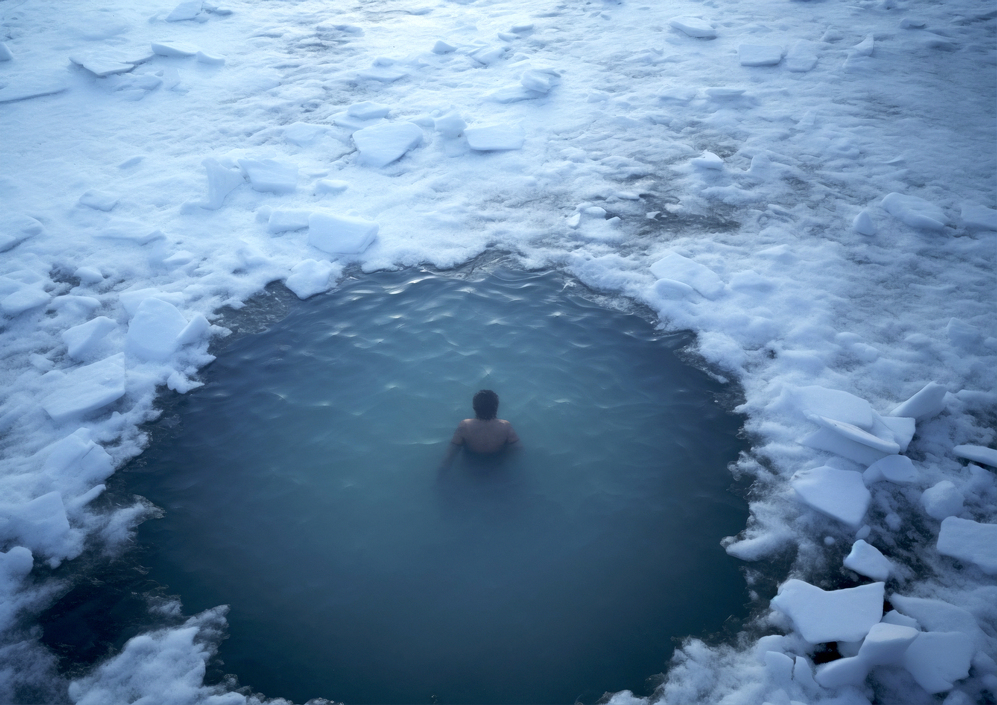
Ice bath therapy, or cold water immersion, usually means sitting in cold water for a short period of time. The water is typically between about 10–15°C, sometimes colder, and sessions are often in the range of a few minutes rather than long stretches.
When you first get in, your body reacts quickly. Your breathing speeds up, your heart rate rises, and you feel a strong blast of cold on your skin. This is a normal “cold shock” response. If you stay calm and focus on slow breathing, that sensation usually becomes more manageable within the first minute.
People use this practice for different reasons. Some use it to support recovery after training. Others want help with feeling more alert, less stressed, or more resilient in day-to-day life.
Why Are So Many People Talking About Ice Baths?
You might be wondering why anyone would choose to sit in very cold water on purpose. For many people, it comes down to how they feel afterward.
Small studies and reviews suggest that cold water immersion may help reduce perceived muscle soreness after intense exercise, compared with doing nothing at all. Some people also report that they feel more awake, clear-headed, and even in a better mood in the hours following a plunge.
Research into mood, stress, and cold exposure is still early, but there is growing interest in how brief cold stress might influence the nervous system and stress-related hormones.
The key is to see ice bath therapy as one possible tool for recovery and wellbeing, not as a cure-all. It works best when it sits alongside good sleep, movement, nutrition, and, when needed, professional medical or mental health support.
How Ice Baths May Support Recovery And Mental Clarity
Everyone’s response is different, but there are some common themes that people notice after they make ice baths a regular habit.
Many describe:
- Less soreness and stiffness the day after hard workouts
- A calmer, steadier mood after the initial shock wears off
- Better focus and a sense of mental ‘sharpness’ for a while after a session
The cold forces you to pay attention to your breath and stay present, which can act like a short, intense form of mindfulness. Choosing to meet that discomfort on purpose can also build confidence over time. Over time, many people feel they become more comfortable responding to short periods of controlled stress and returning to a calmer state.
At the same time, there are limits. Cold therapy does not replace medical treatment for pain, depression, anxiety, or other health conditions. It can be a complementary practice, not a stand-alone solution.
Who Might Consider Ice Bath Therapy?
Ice baths can appeal to many types of people, as long as they are medically cleared and approach the practice safely.
Common examples include:
- People who train hard and want extra support for recovery
- Those with demanding jobs who feel worn out or “wired but tired”
- Individuals interested in building resilience and mental toughness
Age by itself is not the main factor. What matters more is your overall health, whether you have conditions affected by cold and rapid changes in circulation, and whether you give your body time to adapt gradually.
If you have heart disease, uncontrolled blood pressure, serious circulation issues, or any condition that affects how you respond to cold, it is important to speak with a healthcare professional before trying an ice bath. The same goes for pregnancy, recent major surgery, or medications that change your heart rate or vascular response. Cold shock can be risky in these situations.
Even if you are otherwise healthy, listening to your body and starting gently is essential.
What To Expect In A Typical Ice Bath Session
If you book a guided session rather than filling a tub at home, you can usually expect a structured, calmer experience. While details vary from place to place, a first session often looks something like this:
You arrive and the process is explained in simple steps, including how long you will be in the water, how cold it is, and how to get in and out safely. You have time to change into a swimsuit or comfortable clothing and settle yourself before anything happens.
Before you enter the bath, you will likely be shown how to breathe slowly and steadily. This helps your body feel safer and makes the first moments in the water easier to handle. When you enter the bath, you usually sit down gradually rather than jumping in. For beginners, time in the tub is often just a couple of minutes or less. You can always step out sooner if anything feels wrong.
After the plunge, there is time to warm up again. You might wrap yourself in a towel, put on dry clothes, and sit quietly for a few minutes. Many people like to have a warm, non-alcoholic drink or simply take note of how different their body feels compared with before the session.
Safety First: A Few Practical Guidelines
Because ice bath therapy is a strong physical stimulus, it deserves respect. A few simple guidelines can make a big difference.
Do not treat your first session like a test of toughness. Start with shorter times and slightly warmer water, then adjust slowly as your body adapts. Avoid going alone in open water or making extreme changes without proper support or information.
Learn to watch for signs that you have had enough. Intense shivering, numbness that does not fade, chest pain, or confusion are all signals to get out, dry off, and warm up. If you feel unwell at any point, the session should end there.
Most importantly, remember that this article is for general education only. It is not medical advice. If you are unsure whether ice bath therapy is appropriate for you, checking with a healthcare professional who understands your history is always the safest move.
Fun Facts About Ice Bath Therapy
Let’s have some fun facts about cold water and your body!
- Cold water activates the body's natural "cold shock" response within seconds.
- Many people notice the initial shock becomes easier to manage with practice.
- Ice bath sessions typically last just a few minutes. Longer is not necessarily better.
Tips for Your First Few Ice Bath Sessions
If you decide to give ice bath therapy a try, you can make the experience more manageable by focusing on a few simple habits:
- Go in with a clear limit in mind for your first sessions, and be willing to get out sooner if needed
- Keep your attention on slow, controlled breathing rather than on the clock
- Give yourself time to warm up and reflect afterwards instead of rushing straight back into a busy schedule
Notice how you feel later that day and the next morning, not just during the plunge itself. Treat it as an experiment rather than a performance.
You are learning how your body responds, and that information is valuable whether or not you decide to continue.
Exploring Ice Bath Therapy in London, Ontario
If you live in or near London, Ontario and you are curious about trying ice bath therapy in a controlled setting, you do not have to figure it out alone. A good studio will keep the environment clean, explain the process clearly, and encourage you to find a pace that feels safe instead of pushing you to extremes.
At Longevity Lounge, we offer guided cold immersion sessions in temperature-controlled tubs, with a team that focuses on safety, calm support, and helping you integrate the experience into a broader wellness routine if you choose to continue.
If you're curious about how your body and mind might respond to controlled cold exposure, we'd be happy to answer your questions and help you decide whether ice bath therapy is right for you.
References
- Tipton MJ et al. European Journal of Applied Physiology (Cold water immersion physiology)
- Bleakley CM & Davison GW. British Journal of Sports Medicine (Exercise recovery)
- Espeland H et al. Scandinavian Journal of Medicine & Science in Sports (Recovery)
- Shevchuk NA. Medical Hypotheses (Mood hypothesis, noting it's theoretical)