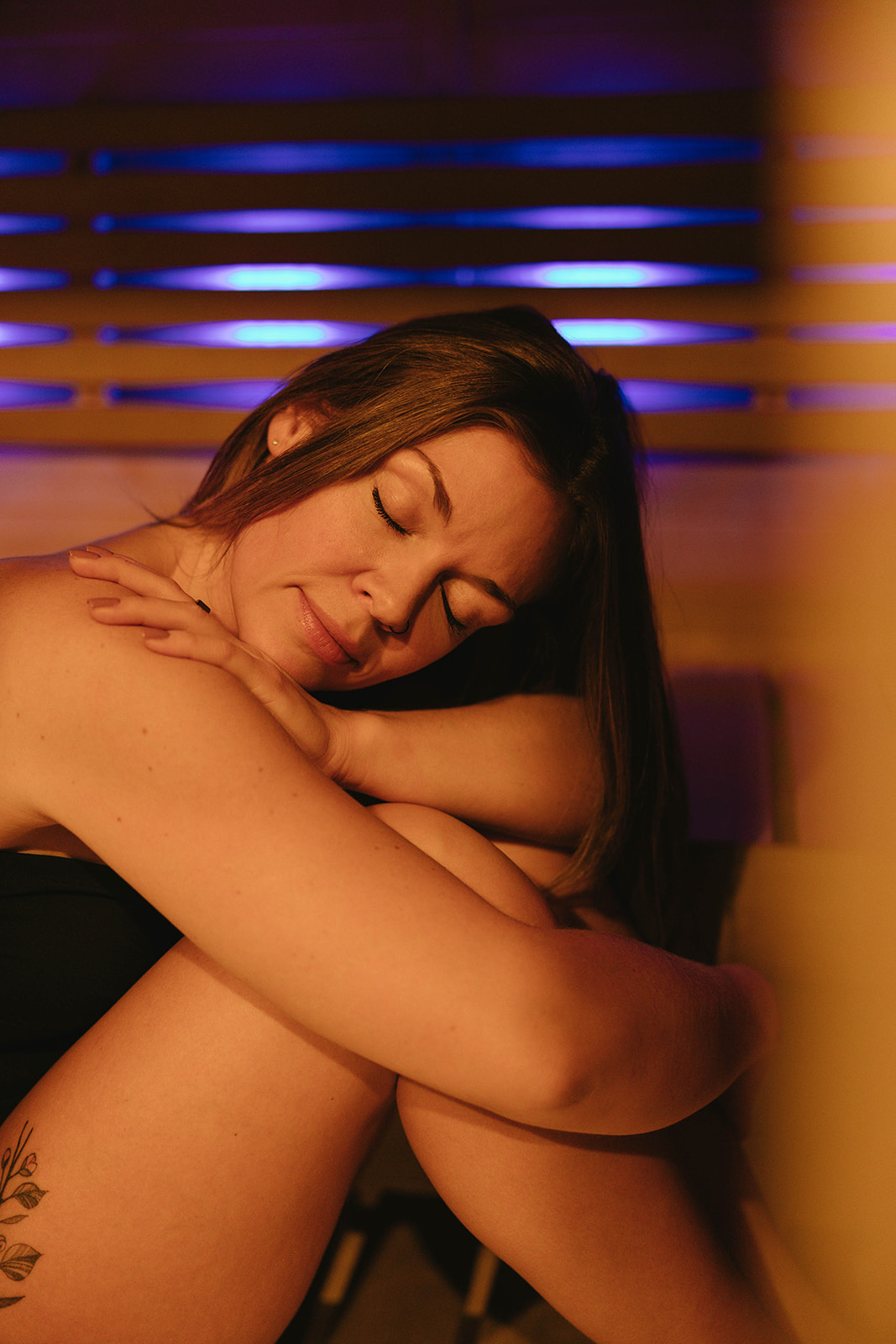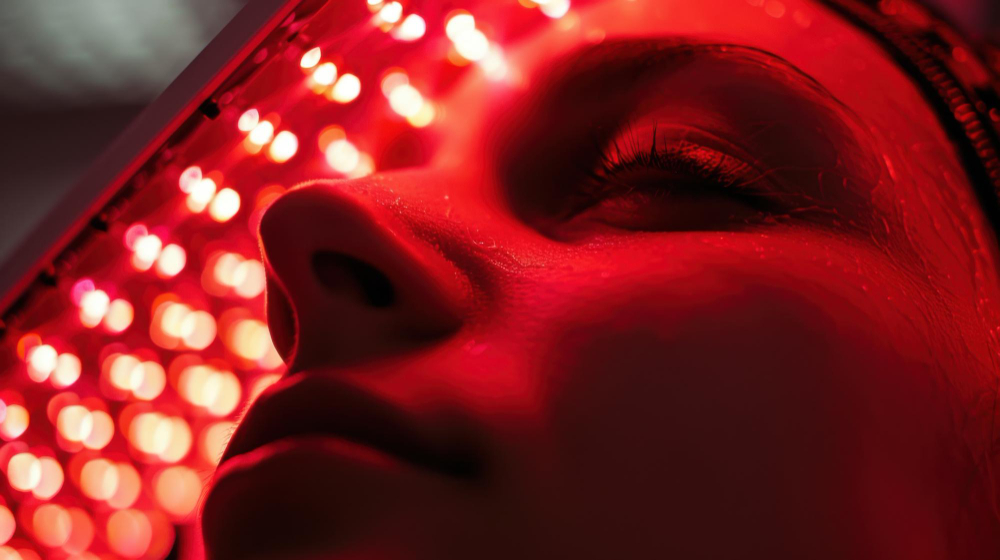
Stepping into a room lit with soft red light can feel calm and slightly unusual at the same time. Unlike harsh overhead lighting or bright screens, red light therapy uses specific wavelengths of light aimed at supporting the function of your cells.
These devices are turning up more often in wellness spaces, gyms, and recovery studios, which raises the question: what is actually happening under the skin when you use them, and what kind of results can you expect?
This article walks through how red light therapy works in simple terms, where the research is strongest, and what a typical session looks like.
How Red Light Therapy Works
Red light therapy uses specific bands of red and near-infrared light. These wavelengths are different from ultraviolet light and do not tan the skin or cause sunburn. They are designed to be gentle and non-invasive.
When this light reaches your skin, a portion of it can travel several millimetres below the surface. There it interacts with cell structures, especially the mitochondria, which are often described as the “power stations” inside your cells.
Exposure to these wavelengths appears to help mitochondria produce more of the cell’s basic fuel, called ATP. When cells have more usable energy, they may be able to carry out normal repair and maintenance processes more efficiently. That is the core idea behind red light therapy.
Research is ongoing, and results vary from person to person. It’s best to view red light therapy as something that can support natural processes, not a cure for specific illnesses.
Potential Benefits People Look For
People use red light therapy for a range of reasons. Common areas of interest include:
- Skin appearance and texture
- Joint and muscle comfort
- Hair thinning and scalp health
- Sleep and body clock support
- Mood and stress
Below is a closer look at each of these, with a measured assessment of what is known to date.
Skin appearance and texture
Red light therapy is perhaps best known in the context of skin care. Some studies suggest that regular use may support collagen production. It may also help reduce the appearance of fine lines and uneven texture over time.
It may also be used alongside other approaches to support wound healing and the appearance of certain scars.
It’s important to keep expectations realistic. Results are usually gradual and modest rather than dramatic, and red light is often most effective when combined with basic skin care habits such as sun protection and hydration.
Joint and muscle comfort
Because of its possible effects on cellular energy and local blood flow, red and near-infrared light is sometimes used to support people living with joint stiffness or muscle soreness.
Some users report less discomfort after sessions, especially when therapy is applied consistently over weeks.
This does not replace medical treatment or physical therapy. Instead, it may act as one supportive tool among others, like movement, appropriate loading, and rest.
Hair thinning and scalp health
Low-level light therapy has been studied in certain types of hair thinning, particularly pattern hair loss. In some cases, regular sessions over several months have been associated with modest improvements in hair thickness and density.
Results are variable and depend heavily on the underlying cause of hair loss.
Anyone considering red light therapy for this purpose should speak with a clinician first to clarify what is realistic in their situation.
Sleep and circadian rhythm
Bright blue light late at night can disrupt circadian rhythms. In contrast, low intensity red light in the evening is less likely to interfere with melatonin, the hormone that helps prepare you for sleep.
Some people use red light therapy later in the day as part of a wind-down routine, and report that it helps them feel more settled before bed. The benefit may come as much from the calming routine and reduced screen time as from the light itself.
Mood and stress
A calm environment, gentle warmth from the device, and a set period without interruptions can all contribute to feeling more relaxed after a red light session.
There is also emerging research into how specific light wavelengths may interact with brain chemistry and perceived mood.
It’s important to be clear that red light therapy is not a stand-alone treatment for depression, anxiety, or other mental health conditions. At best, it can be a small supportive piece alongside professional care, movement, social connection, and other proven tools.
What to Expect in a Session
A typical red light therapy session is straightforward and usually feels gentle. You will either sit or lie down, depending on the area being treated. Panels or devices are positioned at a set distance from your skin. Some setups use full body panels; others focus on local areas such as joints, face, or scalp.
Most people experience mild warmth rather than intense heat. There is no need for lotions or gels. Sessions commonly last between ten and twenty minutes for a given area, and many protocols involve repeated sessions each week over a period of time.
You can usually read, listen to audio, or simply rest with your eyes protected as needed, provided that you follow the guidance for that specific device.
Who Might Consider Red Light Therapy?
Red light therapy may interest individuals who:
- Are looking for a non-invasive option to support skin appearance or wound healing under professional guidance
- Want an additional tool for managing mild joint or muscle discomfort
- Are curious about supporting hair and scalp health in certain types of thinning
There are also situations that require caution. You should speak with a healthcare professional before using red light therapy if you:
- Have a history of skin cancer or conditions that make you highly sensitive to light
- Take medications that increase light sensitivity
- Are pregnant and unsure whether this therapy is appropriate
As with any wellness tool, this information is general and does not replace advice from a clinician who knows your health history.
Red Light Therapy in London, Ontario
Red light therapy continues to attract attention because it’s simple to experience and has a growing, though still evolving, body of research behind it. Many people appreciate it as a calm, structured way to support how they feel and how their body recovers from daily demands.
If you are in or near London, Ontario, and would like to explore red light therapy in a relaxing setting, you are welcome to visit Longevity Lounge. Sessions take place in a quiet, supervised environment, with clear explanations about whatthe technology can and cannot do.
Our team can help you decide whether red light therapy fits into your wider approach to recovery and long-term wellbeing.