Contrast hydrotherapy—alternating between warm and cold water in a structured sequence—is a simple practice with meaningful physiological effects. Whether used for recovery, stress management, or general wellbeing, it offers a controlled way to stimulate circulation and reset the nervous system.
Below is a clear, practical guide to what contrast hydrotherapy is, how it works, and who may benefit from it in London, Ontario.
What Contrast Hydrotherapy Is
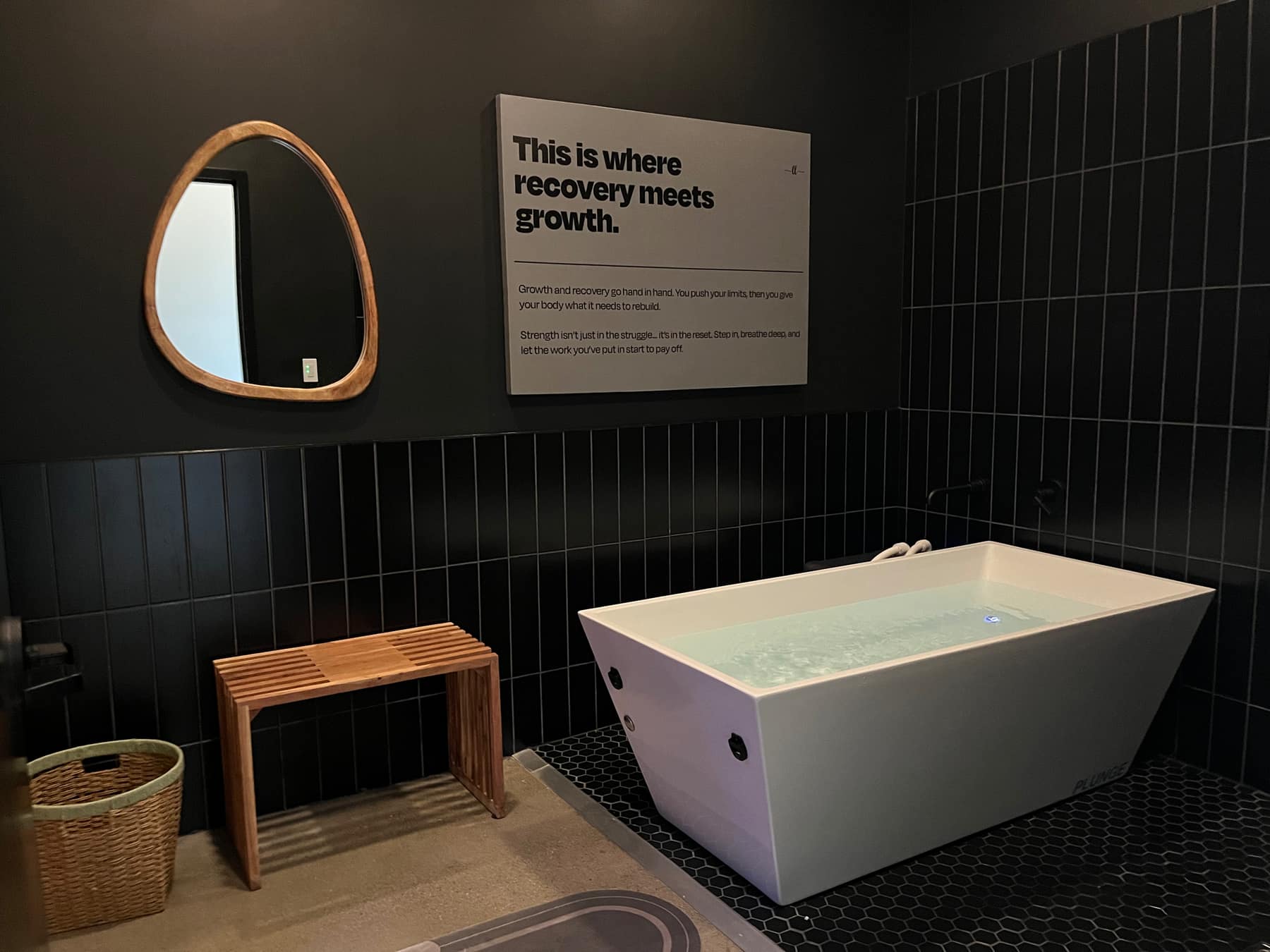
Contrast hydrotherapy involves moving between warm and cool or cold water for short intervals, with brief rest periods in between. In a spa setting, this may mean transitioning between a warm pool, shower, or hydrotherapy tub and a cold plunge. At home, it can be done using alternating warm and cool water in the shower.
The warm phase encourages muscles to soften and the body to relax. The cold phase provides a brief, controlled stress signal that sharpens alertness. Together, they create a cycle that many people find effective for reducing tension and supporting recovery.
How Temperature Changes Affect the Body
Temperature shifts trigger fast, predictable physiological responses.
Warm exposure:
• Blood vessels widen (vasodilation)
• Circulation toward the skin increases
• Muscles relax, and nervous system activity shifts toward calm
Cold exposure:
• Blood vessels constrict (vasoconstriction)
• Blood is directed toward core organs
• Breathing may quicken initially, then settle with controlled breathing
Repeating these cycles may:
• Support circulation in and out of tired muscles
• Help clear normal metabolic byproducts after activity
• Provide the nervous system with practice returning from stress to balance
These effects vary by individual. Contrast hydrotherapy should be seen as a supportive practice, not a replacement for medical treatment.
Recovery, Muscle Aches and Daily Tension
Many people try contrast hydrotherapy to feel better after exertion or long periods of standing or sitting. Warm water helps release tightness. Cooler water may reduce sensations of heaviness or mild inflammation.
This combination can help some individuals feel more comfortable the day after exercise or physical work. It is not a treatment for injuries, but it can be a useful complement to stretching, adequate sleep, hydration, and balanced nutrition.
Circulation, “Detox,” and What’s Realistic
Healthy circulation is central to muscle function and recovery. Alternating dilation and constriction of blood vessels encourages more active blood movement through tissues.
While some people describe contrast therapy as a “detox,” the term is often misused. The body’s actual detoxification systems—liver, kidneys, digestive tract, and lungs—already perform this work continuously. Hydrotherapy may help you feel lighter and more mobile, but it should not be viewed as a primary cleansing method or a disease-prevention tool.
Stress Relief, Relaxation, and Mental Clarity
Many people use contrast hydrotherapy for its mental benefits. Warm water releases physical tension, while the brief cold exposure promotes alertness and clear focus. The combination can feel like a short reset.
This pattern may help reduce day-to-day stress and improve readiness for sleep, especially when done earlier in the evening as part of a winding-down routine.
Skin and Immune Support: A Balanced Perspective
Warm water softens skin and opens pores; cool water can make skin feel firmer immediately afterward. Over time, contrast therapy may contribute to a fresher appearance when paired with good skincare and hydration.
Early research suggests that controlled hot and cold exposure may have modest influences on immune response, but evidence is still emerging. Contrast hydrotherapy should not be considered a primary strategy for disease prevention. A balanced lifestyle and appropriate medical care remain far more important.
Who Should Be Cautious
Despite feeling gentle, contrast hydrotherapy creates real cardiovascular demands. You should speak with a healthcare professional before trying it if you have:
• Heart disease
• Uncontrolled high or low blood pressure
• Serious circulation or vascular problems
• A history of stroke
• Respiratory conditions that could be affected by temperature shifts
• Pregnancy
• Recent major surgery
Even if healthy, avoid extreme temperatures, take breaks between cycles, and stop immediately if you feel dizzy, faint, short of breath, confused, or unwell. Warm up gradually afterward.
This article provides general information only and is not a substitute for medical advice.
Trying Contrast Hydrotherapy in London, Ontario
You can begin at home using alternating warm and cool showers. For a more structured experience, a professional studio provides controlled temperatures, clean facilities, and guidance tailored to your comfort and health status.
If you live in or near London, Ontario and want to experience contrast hydrotherapy in a calm, supervised setting, Longevity Lounge offers warm hydrotherapy and cold plunge sessions designed for safety, clarity, and comfort.
Our team can guide you through your first cycle, answer questions about integrating heat and cold into a broader recovery routine, and help you determine whether contrast hydrotherapy belongs in your personal wellness plan.